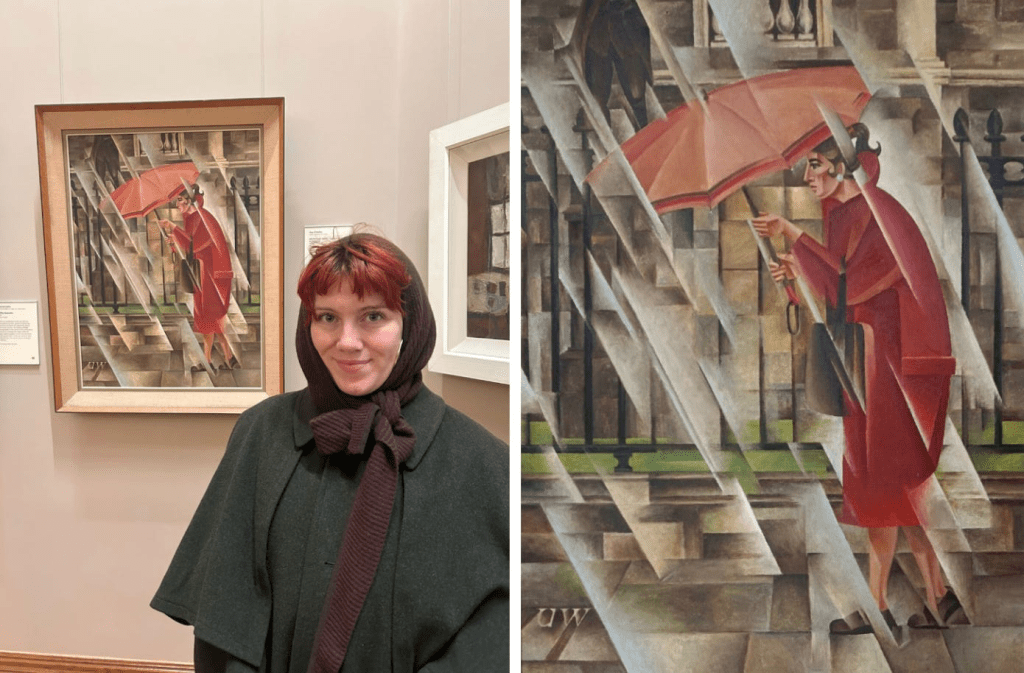
Girl Going by Trinity in the Rain is going viral. Pop legend CMAT has been spreading the word on Instagram of her passion for Una’s painting. In late December last year she took her admiration one step further when she roped in the British art historian and writer, Katy Hessel, into her Una Watters campaign.
Hessel is the author of several books, including the ground-breaking “The Story of Art without Men”, a revisionist illustrated history of female artistic endeavour, which was published to great acclaim in 2022. “Will change the history of art. . . thank God,” artist Tracy Emin wrote of it.
Guesting on Katy Hessel’s blog, “Great Women Artists”, CMAT wrote about Una’s Trinity Girl. “I immediately became obsessed with it, without knowing anything about her (Una) at all. I just thought I knew the girl in the painting, and that she looked like me, and brought me back so clearly to what it was like when I lived there and was hopeful and traipsed around the city on foot, despite everything. . . Then I found out. . . that she lived in Finglas and died young.”
“I wish we knew more about her but right now it’s my favourite painting in maybe the whole world. I made my love take a picture of me with it last week when I brought him to see it as I’ve talked about it so much.”
Hessel duly took up the cudgels on Una’s behalf to highlight the work of Irish women artists. – https://katyhessel.substack.com/p/6-irish-women-artists-to-know. She includes Una in her shortlist, along with Mainie Jellet, Margaret Clarke, Mary Swanzy, Genieve Figgis and Dorothy Cross.
Una has found another fan in Hessel: “It’s no wonder CMAT loves Girl Going by Trinity in the Rain. It’s an incredible energetic, modernist take on a Dublin downpour. I love how the pouring rain – a shape so impossible to freeze in an image – becomes shards of fractured glass. It’s like she’s evoking the physicality of hailstones in a painting that already evokes so many senses. I also love the glamour of this Dublin girl, striding out on her own: her red coat, smart shoes, high-up ponytail, striking eyes and pink cheeks,” she writes.
“Watters’ story is a reminder of how easily the work of artists can be lost and how thrilling it is to bring them back into the light.”
Meanwhile, Una’s Trinity Girl also features as “Work of the Week” in today’s Sunday’s Business Post (15/03/26), as chosen by Michelle Cullen, a director at Accenture in Ireland, the global technology company, who describes Una’s work as “an utterly captivating piece”.
“The painting makes me think about journeys, physical and symbolic; about those who are displaced or navigating spaces where they are admitted, but may not feel welcome or at ease. The relentless rain mirrors that experience.”
The problem of female exclusion is a passion project for Cullen – she heads up the Accenture’s diversity programme and is a co founder of Women on the Walls, a project dedicated to commissioning portraits of women of note to be shown in public spaces. https://www.accenture.com/ie-en/about/inclusion-diversity/women-on-walls.
Working in partnership with the Royal College of Surgeons, Dublin City University and most recently at UCC, the company has sponsored numerous paintings by Irish artists that celebrate women leaders in the fields of science, arts and social engagement. Cullen also serves on the board of the National Gallery of Ireland, where Una’s painting now hangs as part of the national collection, thanks to the efforts of this website and its followers.


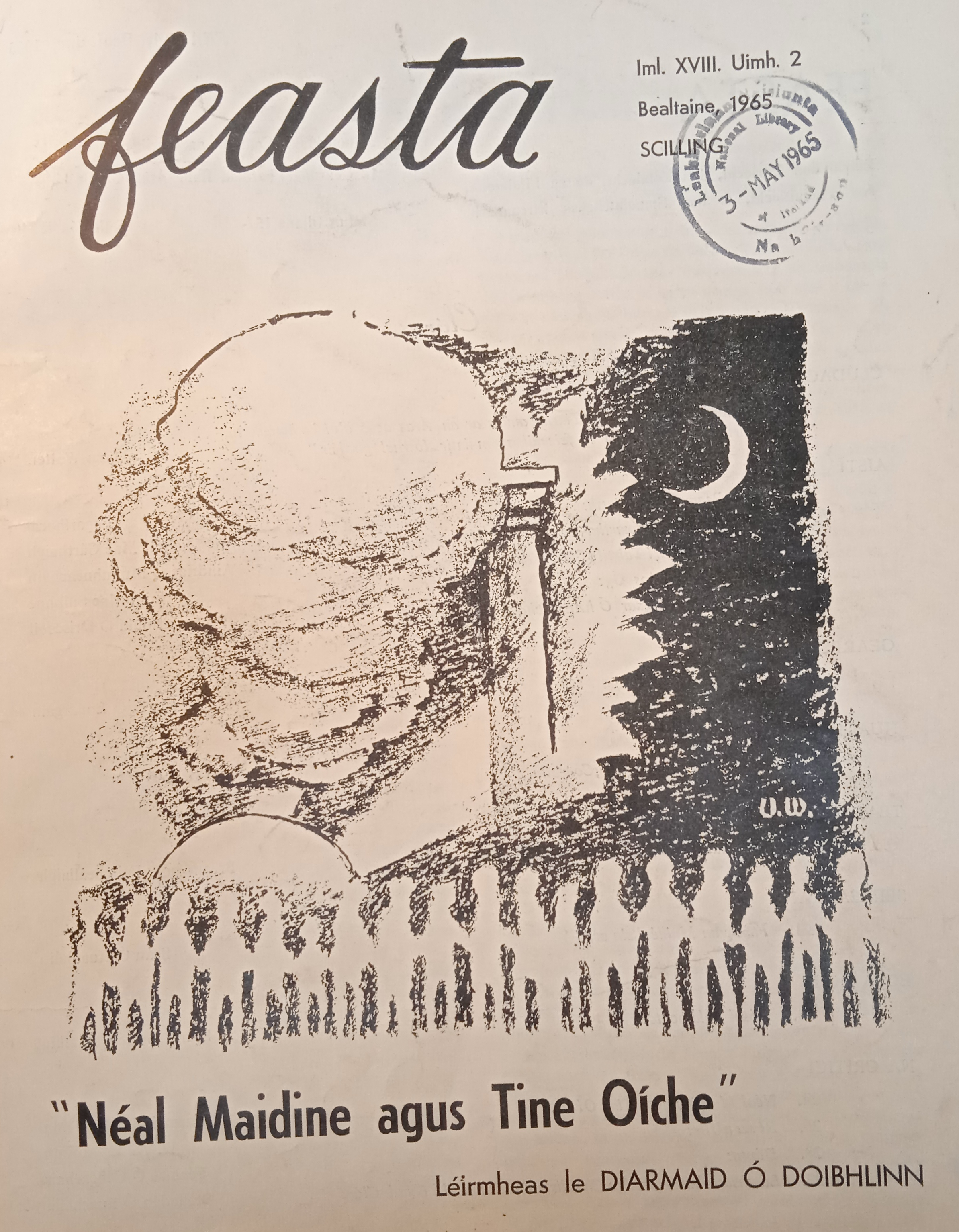
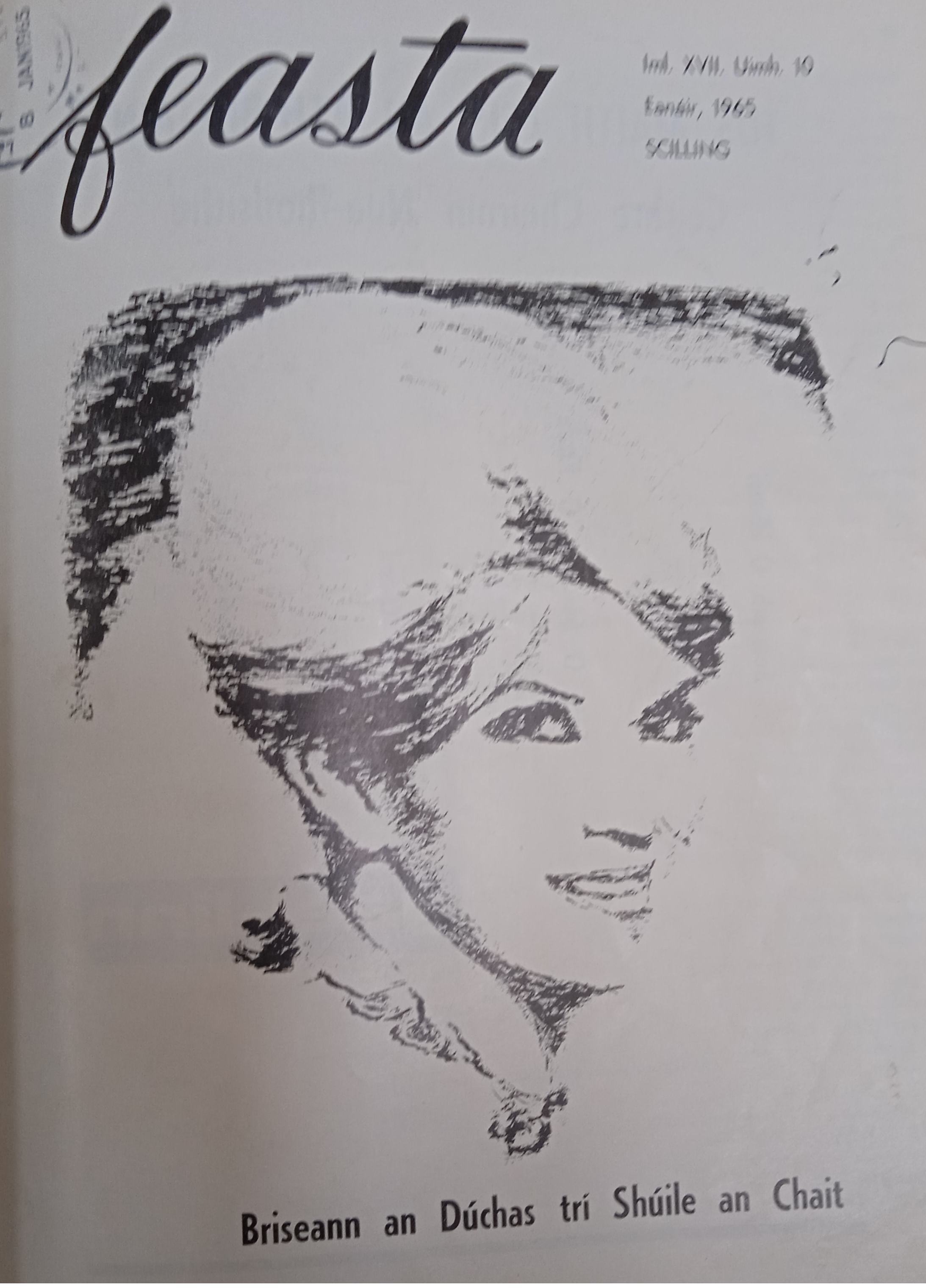
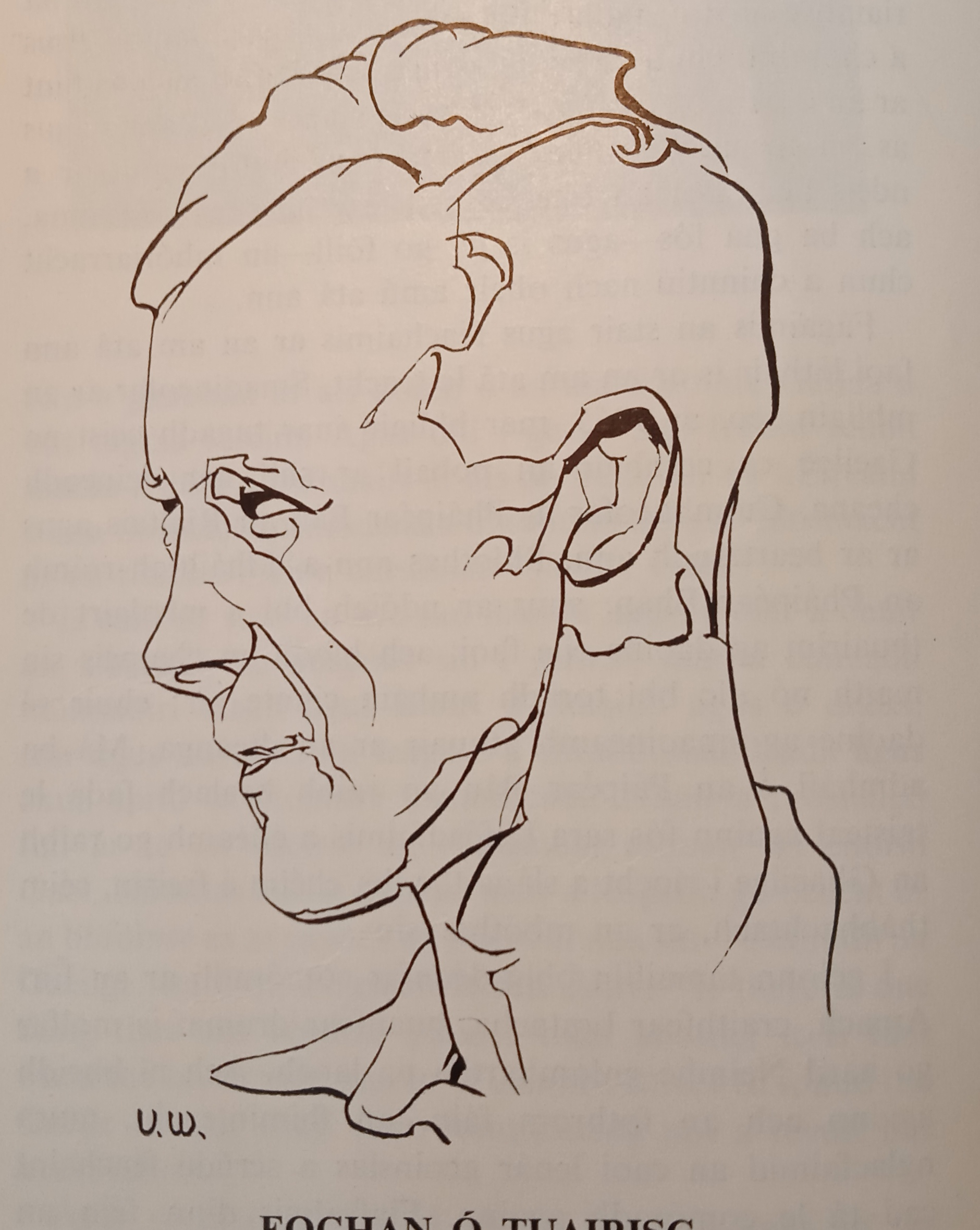


 Una Watters (1918-1965)